What a great surprise! Such a nice restaurant with variety of excellent dishes! Nice atmosphere, and very reasonable price.
Overview
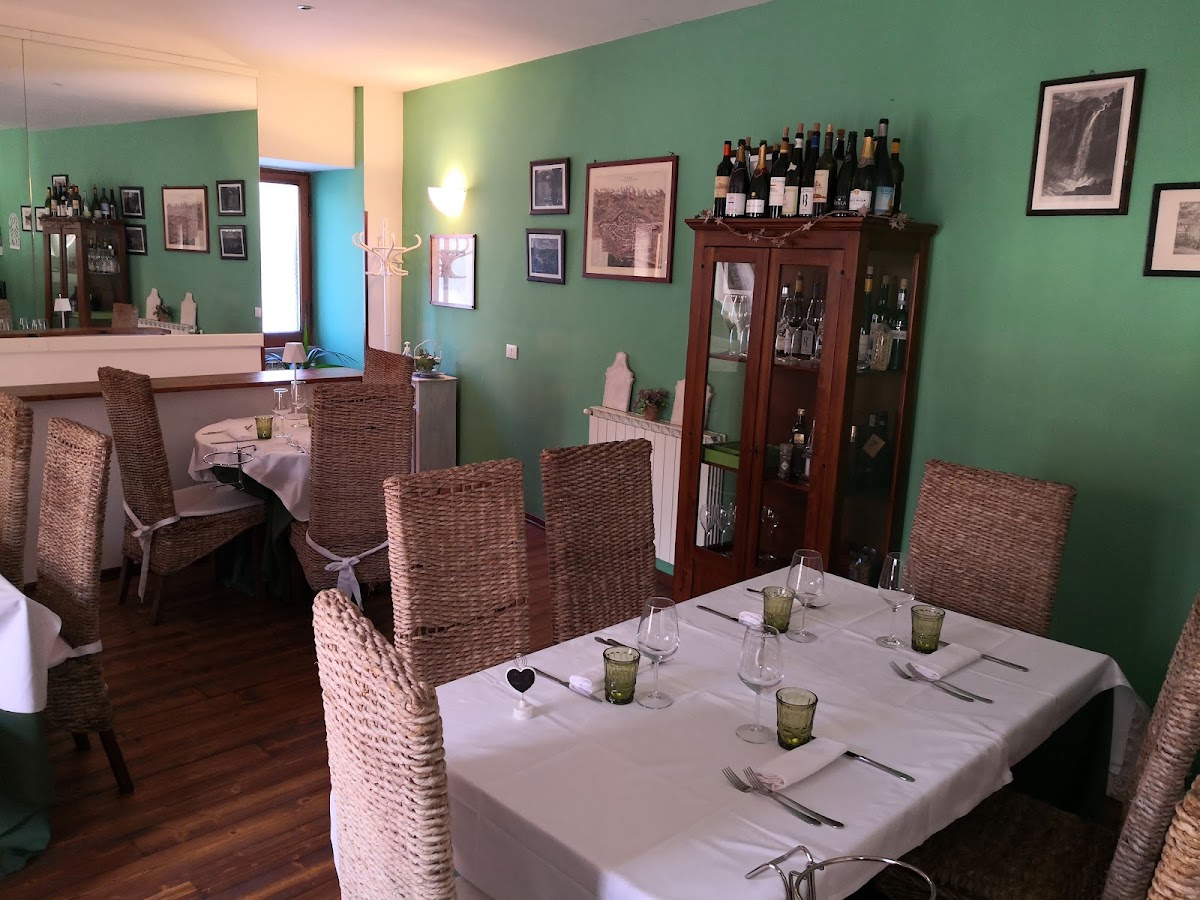
Sitting above the waterline of Lake Piediluco, Le Terrazze Di Piediluco feels like one of those places locals quietly hope visitors don’t discover too fast. The first time I ate here was after a long afternoon walking the lakeside path, hungry in that very specific Umbrian way that demands pasta, olive oil, and time. From the terrace, the lake looks almost painted, and that view ends up shaping the whole experience before the menu even hits the table.
The restaurant is located at Corso Raniero Salvati, 61, 05100 Terni TR, Italy, an easy stop whether you’re coming down from Terni or looping through the smaller villages around Piediluco. What stands out immediately is how the space is designed around lingering. Tables are spaced comfortably, the terrace catches the breeze off the water, and servers never rush the rhythm of the meal. That pacing matters more than people think; research published by Cornell University’s Food and Brand Lab shows diners who feel unrushed rate food quality higher, even when dishes are identical.
The menu leans heavily into regional Umbrian cooking, and that’s where the kitchen shows real confidence. Handmade pasta appears often, usually paired with lake fish or slow-cooked meats. One evening, I watched the chef finish a plate of stringozzi with extra-virgin olive oil sourced from nearby groves. The International Olive Council notes that high-quality extra-virgin olive oil contains measurable antioxidant compounds, and you taste that freshness immediately here. It’s not flashy food; it’s food that trusts ingredients.
Lake fish is handled with care, which isn’t always a given. A grilled coregone I ordered was filleted cleanly, seasoned lightly, and finished with herbs that didn’t overpower the natural flavor. This reflects a broader Slow Food philosophy, often cited by organizations like Slow Food Italia, which emphasizes local sourcing and respect for traditional preparation methods. While Le Terrazze Di Piediluco isn’t officially branded under that banner, the approach clearly overlaps.
Reviews from both Italian diners and international travelers often mention consistency, and that’s backed up by experience. During a quieter weekday lunch, the service felt just as attentive as on a busy weekend night. One server explained how the kitchen adjusts portions slightly based on seasonal availability, especially with vegetables and freshwater fish. That kind of flexibility is usually a sign of a kitchen working with real supply constraints rather than frozen shortcuts.
The wine list favors central Italy, with a strong showing from Umbria and Lazio. Staff members are comfortable suggesting pairings without pushing the most expensive bottle, something hospitality experts consistently identify as a key trust factor in restaurant satisfaction surveys. When I asked for something to match a richer meat sauce, the recommendation landed perfectly and stayed within a reasonable price range.
Desserts follow the same restrained philosophy. Instead of an overloaded menu, you’ll find a few classics executed well. One standout was a simple custard-based sweet served warm, described by the server as a family recipe. It didn’t need reinvention, just balance, and that balance is what defines the restaurant overall.
There are limitations worth noting. During peak tourist season, especially in summer, terrace tables can fill quickly, and parking nearby becomes tighter. Also, diners looking for experimental or ultra-modern cuisine may find the style traditional. That said, for travelers and locals who value atmosphere, ingredient-driven cooking, and a menu rooted in place, this restaurant delivers exactly what it promises.
It’s easy to throw around phrases like authentic Italian dining or lakeside Umbrian cuisine, but here those ideas feel earned. You leave with something more than a full stomach; you leave with a sense of how food, location, and time come together when no one is in a hurry to rush you out the door.
Good to know
From the business
✓ Identifies as women-ownedService options
✓ Outdoor seating ✓ Takeaway ✓ Dine-inHighlights
✓ Great coffee ✓ Great dessert ✓ Great wine list ✓ Rooftop seatingPopular for
✓ Lunch ✓ Dinner ✓ Solo diningAccessibility
✓ Wheelchair-accessible toiletOfferings
✓ Alcohol ✓ Beer ✓ Coffee ✓ Healthy options ✓ Late-night food ✓ Organic dishes ✓ Spirits ✓ Vegetarian options ✓ WineDining options
✓ Lunch ✓ Dinner ✓ Dessert ✓ Seating ✓ Table serviceAmenities
✓ Bar on site ✓ Gender-neutral toilets ✓ Toilet ✓ Wi-Fi ✓ Wi-FiAtmosphere
✓ Casual ✓ Cosy ✓ Quiet ✓ RomanticCrowd
✓ Family friendly ✓ Groups ✓ LGBTQ+ friendly ✓ Tourists ✓ Transgender safe spacePlanning
✓ Lunch reservations recommended ✓ Dinner reservations recommended ✓ Accepts reservationsPayments
✓ Credit cards ✓ Debit cards ✓ NFC mobile payments ✓ Credit cardsChildren
✓ Good for kids ✓ Has changing table(s) ✓ High chairsParking
✓ Free of charge street parking ✓ Free parking lot ✓ ParkingPets
✓ Dogs allowed ✓ Dogs allowed inside ✓ Dogs allowed outsidePhotos
1 / 4
Location
Reviews
- No ratings yet 832 reviews
I was warned by some weak comments in the rating, which were sounding quite balanced...so I was aware that this will not be as special and excellent as the rating promises. No complaints at all...just the food itself is highly overrated from pov. The food was indeed okay...the ideas behind it...even though the taste they wanna create is regrettably in the end mostly covered by imbalanced ingredients, which cover up other flavours. I had the Parmigiana noodles with spada,which were not bad at least...but the super weak tomato sauce was destroying the whole image. I can recommend this place nevertheless and to me the service was good . The location is okay, not directly placed on the shore of the lake; but you can see it from the terace. Best regards and normally I would have given three stars...but I left the price benefit ratio out of rating.
Nice service, good food, decent presentation of the dishes and reasonably priced. The dishes are sort of a mix between sicilian and local umbria cuisine, and they deliver the creativity you may expect from a more refined place. Location is nice, and albeit we went in winter, i bet the terraces are very pleasant during summer overlooking the lake. The only issue during lunch was the cold. The place was freezing cold and made the eating experience a bit uncomfortable. It seems that there is only a gas stove heating up the place that started to be warm long obly with the body heat of the patrons after we arrived and the place got full.
We visited here on our honeymoon in 2011. After walking through the main street it was the only restaurant we found open in the evening. At the time none of the waiters spoke English or German so we had to communicate with a lot of pointing and gesturing. We all had a good laugh. Nice food and the wine was so good that we ordered another to take with us on our travels. One of the best experiences of our trip and a story we tell to this day.
The place to have a very very good lunch. Excellent kitchen. Beautiful position. Extremely nice welcoming service.